
Game Development
Mobile, PC and event games in Unity and Unreal — plus the live tools around them, like esports match-control dashboards.
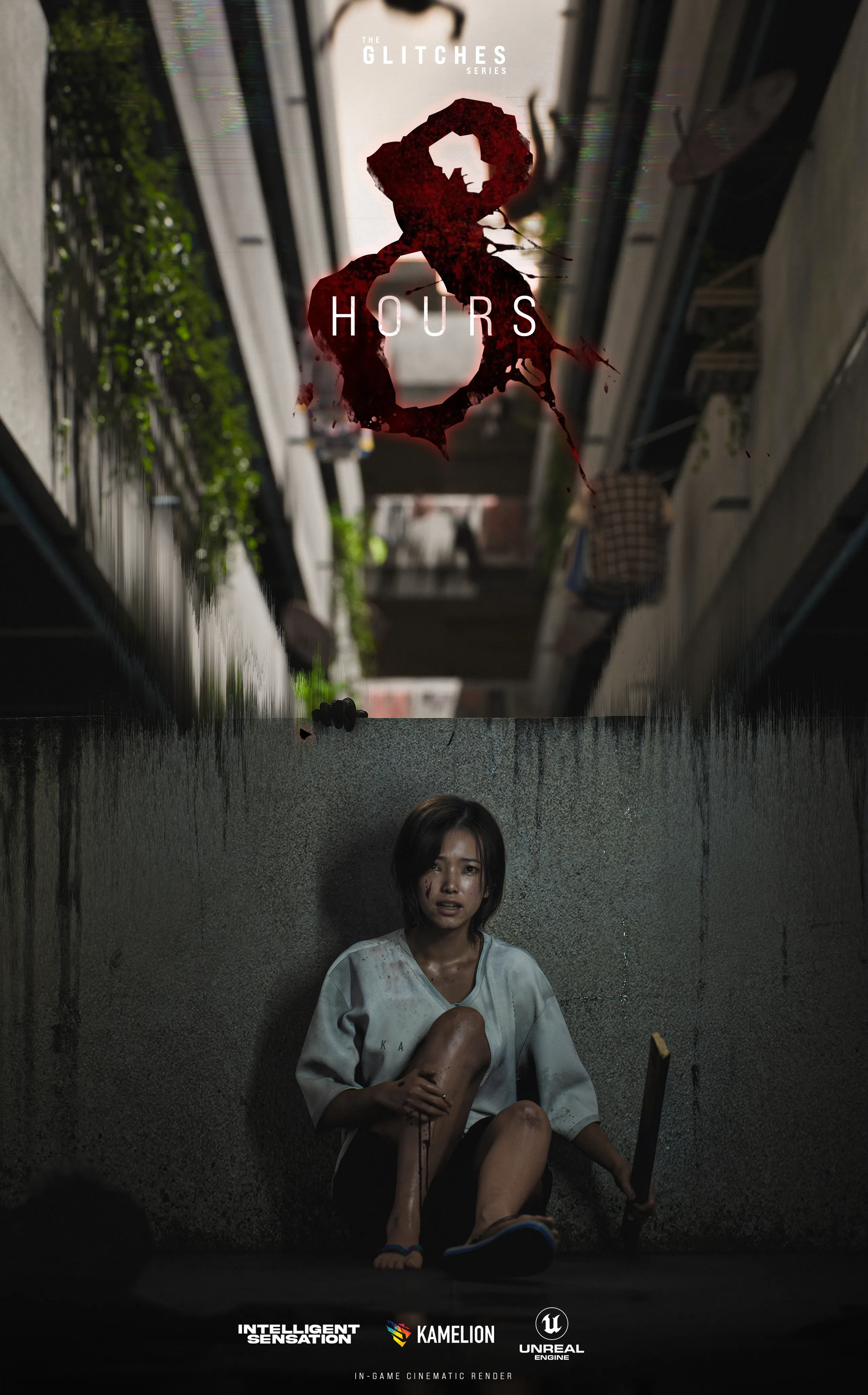
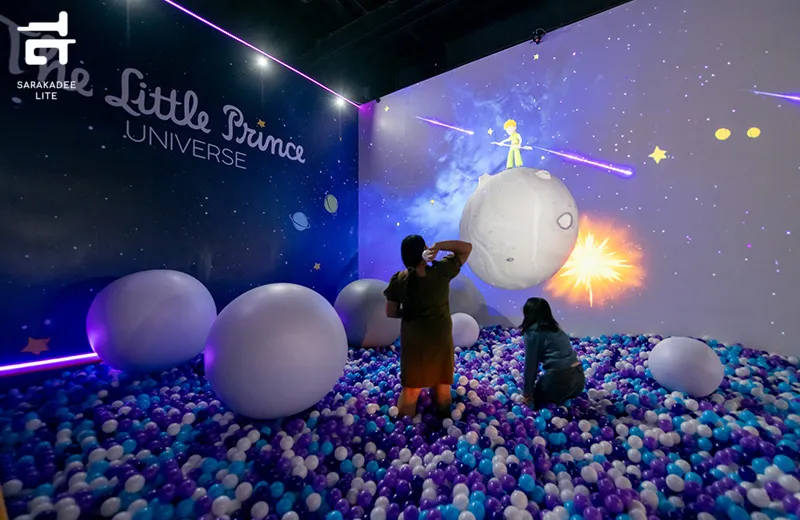
Event games, mobile, and PC titles — built on 10+ years of Unity and Unreal experience.
Capabilities
- 01
Event Games
On-site activations, kiosks, competitive stations
- 02
Mobile Games
iOS and Android titles, casual to mid-core
- 03
PC Games
Standalone and Steam-published PC titles
- 04
Game Design
Systems, progression, monetization, balance
- 05
Multiplayer Networking
Realtime multiplayer, rooms, matchmaking
- 06
Live Ops
Post-launch content, events, and support
Frequently asked questions
Yes. Event games need to be quick to learn, short to play and easy for staff to run while a queue builds. For the Golden Spatula Open Tournament we built the web app behind registration and the in-event activities: each player received a personal code that staff scanned on a phone at every station to record what they played and scored. Tell us your venue, audience and goal.
It depends on where the game runs and how it needs to look. Unreal Engine suits high-fidelity real-time scenes on large screens; Unity is often a lighter fit for mobile, kiosks and web. We work in both and have moved assets between them: for Garena’s RoV Pro League we migrated the heroes from Unity into Unreal Engine. We recommend an engine after seeing your platform and art direction.
Yes. For AmarinTV’s 2026 election coverage we built the middleware that fed live results into the graphics and a control app for operators to cue them. For RoV Pro League we built an operator web app connected to Unreal Engine, with team and hero selection and show and reset controls. These tools let one operator run complex graphics reliably on cue.
Player data can be captured and used, but each integration is scoped per project. At the Golden Spatula Open Tournament, every player’s plays and scores were recorded against a personal QR code, and staff entered walk-in rankings during the event. If you need results on a stage screen or sent to your CRM or prize system, tell us at the brief so data handling and privacy are designed in.
It depends on the number of game modes, whether art is supplied or created, the hardware and sensors involved, and any data integrations. A simple branded activity is much faster than a multiplayer game or a custom installation. Build in time for testing on the real hardware before the event. Share your event date at the first call and we will propose a schedule that fits it.
The scope of gameplay, how much art and animation is new, the target platforms and hardware such as kiosks or sensors, multiplayer or online features, integrations with registration or CRM systems, and whether we support the game on site during the event. Supplied assets and a clear brief reduce cost. Email contact@kamelion.io or use Start a project, and we reply with a scoped estimate.